Boosting Results With Personalization
In the fast-paced world of digital communication, standing out from the constant stream of messages requires more than just compelling offers. It demands an understanding of each recipient as an individual with unique preferences and needs. Personalization has emerged as a key strategy for achieving this level of connection, transforming ordinary outreach into meaningful conversations that drive action.
Discovering the Impact of Tailored Content
When messages reflect specific interests or behaviors, recipients are far more likely to pay attention. Studies consistently show that personalized approaches can lead to open rates that double or even triple compared to generic ones. This improvement stems from the simple fact that people respond better when they feel seen and understood rather than treated as part of a faceless crowd.
The benefits extend beyond immediate metrics like clicks and conversions. Over time, personalized communication builds trust and loyalty, encouraging subscribers to look forward to future messages instead of dreading another sales pitch. This shift in perception can dramatically affect long-term campaign performance and customer lifetime value.
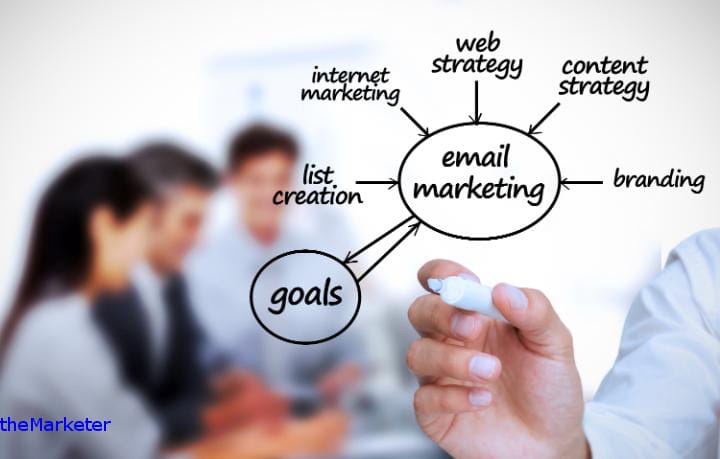
One domain that has benefited enormously from these techniques is email marketing, where competition for attention is particularly fierce.
Laying the Groundwork With Quality Information
Effective personalization depends entirely on the quality of information available. Without accurate and relevant data, attempts at customization can backfire, creating experiences that feel awkward or even off-putting. Smart organizations invest time in developing robust systems for collecting and managing customer insights while maintaining strict adherence to privacy standards.
This process involves more than simply accumulating facts. It requires interpreting behaviors and drawing connections between different data points. For example, someone who frequently reads articles about sustainable living might appreciate product suggestions that align with eco-friendly values. These nuanced understandings separate basic personalization from truly effective strategies.
The collection methods vary widely, from direct feedback forms to analysis of interaction patterns. What matters most is using the gathered information respectfully and only for purposes that benefit the recipient. When customers sense that their data is being used to provide genuine value, they become more willing to share additional details.
Dividing Audiences Into Meaningful Groups
Segmentation forms the backbone of any successful personalization effort. By categorizing subscribers according to shared characteristics, marketers can develop content that speaks directly to specific concerns and desires. This might involve demographic factors like age or location, but behavioral segmentation often yields even better results.
Consider how purchasing history can inform future communications. A customer who recently bought running shoes probably has an interest in fitness, opening opportunities for related content about training tips or nutrition advice. In contrast, someone who purchases home office furniture might respond well to productivity tools and organization guides.
This targeted method ensures that resources are used efficiently, with each message carrying higher relevance and therefore higher potential impact. It also helps avoid the common mistake of bombarding everyone with irrelevant information, which can lead to unsubscribes and damaged reputation.
Harnessing Technology for Dynamic Experiences
Modern tools have made it possible to automate much of the personalization process, allowing for real-time adjustments based on available data. Dynamic content blocks can display different images, text, or offers depending on who is viewing the message. This level of sophistication was once available only to large enterprises but has become increasingly accessible.
The technology works by setting rules that trigger specific content variations. If a subscriber has shown interest in a particular category, the system automatically populates the message with related items. These capabilities free up creative teams to focus on crafting compelling narratives while the platform handles the customization details.
Of course, technology alone cannot guarantee success. The human element remains essential in designing experiences that feel natural and helpful rather than mechanically generated. The best campaigns combine advanced tools with thoughtful strategy and authentic voice.
Examining Real-World Outcomes

Organizations across industries have reported impressive gains after prioritizing personalization in their communications. A travel company, for instance, saw booking rates increase by forty percent when they began customizing destination suggestions based on past trips and stated preferences. Instead of promoting generic vacation packages, they created curated itineraries that matched each traveler's style and interests.
In the nonprofit sector, personalized appeals have helped boost donation amounts and frequency. By acknowledging previous support and connecting it to specific impact areas that donors care about, these organizations create emotional connections that generic requests cannot match. The results demonstrate how personalization can enhance both the effectiveness and the humanity of digital communications.
Another compelling case comes from the e-commerce space, where abandoned cart reminders become significantly more powerful when they include specific items the customer was considering along with personalized incentives. This attention to detail shows that the brand remembers and values each interaction, encouraging completion of the purchase.
Addressing Common Challenges Head-On
While the advantages are clear, putting personalization into practice presents several obstacles that require careful navigation. Data quality issues top the list, as outdated or inaccurate information can lead to mistakes that erode trust faster than any generic message ever could. Regular maintenance and validation routines become necessary investments.
Privacy considerations also demand constant attention in an era of increasing regulation and consumer awareness. Companies must be transparent about their data practices and provide straightforward ways for individuals to control their information. Those who handle this aspect well often find that customers reward them with greater loyalty and openness.
Technical limitations can frustrate teams trying to implement advanced features, particularly smaller businesses with limited resources. However, starting with basic personalization like using first names correctly and progressing gradually toward more complex implementations allows for steady improvement without overwhelming existing systems.
Businesses practicing email marketing have discovered that testing and learning from results helps overcome many of these hurdles. What seems perfect in theory sometimes falls flat in practice, making empirical data the ultimate guide for refinement.
Exploring Advanced Capabilities
As artificial intelligence and machine learning technologies mature, the depth of possible personalization continues to expand. Predictive analytics can forecast which products or content a person is likely to engage with, enabling proactive customization. These systems learn from patterns across thousands of interactions to make increasingly accurate recommendations.
Integration across different channels further enhances the experience. When personalization follows a customer from email to website to mobile app, it creates a cohesive journey that feels seamless and attentive. This unified approach represents the next frontier for many forward-thinking organizations.
Yet even the most advanced technology cannot replace genuine empathy and understanding. The most successful efforts combine sophisticated tools with a deep appreciation for the human beings on the receiving end of each message.
Sustaining Authentic Connections
Throughout all these efforts, maintaining a natural and conversational tone helps ensure that personalization enhances rather than detracts from the overall experience. Messages should read as though they come from a knowledgeable friend rather than a distant corporation. This authenticity builds emotional connections that data-driven customization alone cannot achieve.
Regular review of performance metrics provides guidance on which approaches resonate most strongly. Open rates, click patterns, and conversion statistics all offer valuable clues about what works for different segments. Using these insights to continuously refine content keeps campaigns fresh and relevant over time.
The path to mastery involves patience and willingness to adapt based on real feedback. Some audiences may prefer subtle personalization while others appreciate more obvious customization. Discovering these preferences through careful observation and experimentation leads to better results.
In conclusion, personalization offers a proven path to stronger engagement and improved outcomes in digital communications. By investing in quality data, thoughtful segmentation, and appropriate technology while never losing sight of the human element, organizations can create messages that truly connect. Those who embrace this approach thoughtfully will find themselves well-positioned to thrive in an increasingly competitive environment where attention is the most valuable currency.